



There’s a certain pride in a well-built roll. Not the flashy kind, not the look-at-me kind. The quiet kind that holds its shape, draws the way you want, and feels like you took your time on purpose.
Most people obsess over paper choice, size, and whatever’s going inside. Meanwhile, the mouth end gets treated like an afterthought. That’s where rolling tips earn their keep. They’re small, simple, and easy to skip, but they’re also the part that sets the tone for everything that follows.
If you’ve ever had a roll collapse, canoe, pinch, or turn into a soggy mess at the end, you’ve already met the problem. A tip doesn’t make you “extra.” It makes your setup intentional.
The Detail Most People Overlook
Rolling tips matter because they set the shape, airflow, and stability of your roll from the very first tuck. When the mouth end is supported, everything else gets easier: tighter form, steadier draw, and fewer mid-session fixes. It’s a small habit that makes your process feel more dialed in.
Rolling culture has always been about craft. Zig-Zag’s legacy is built on that same idea: the ritual, the rhythm, the small details that separate “good enough” from “nailed it.” If you’re already choosing papers with care, a tip is the natural next step.
Think of it like setting out your tools before you start. A tidy station, a consistent routine, and gear that matches how you like to roll. That mindset fits right in with a tabletop setup, the kind you build around your favorite papers and tools from the Zig-Zag collection.
What Rolling Tips Actually Do
Rolling tips create structure at the mouth end, support airflow, and help your roll keep its shape through the full session. They’re not only about preventing loose ends. They guide how the paper wraps, how the draw feels, and how consistently your roll holds together once it’s in hand.
At the simplest level, a tip is a small piece of paper that becomes a sturdy insert. It sits at the mouth end and gives you a stable starting point. That stability matters because your roll is basically a spiral under tension. If the first turn is weak, everything after it has to compensate.
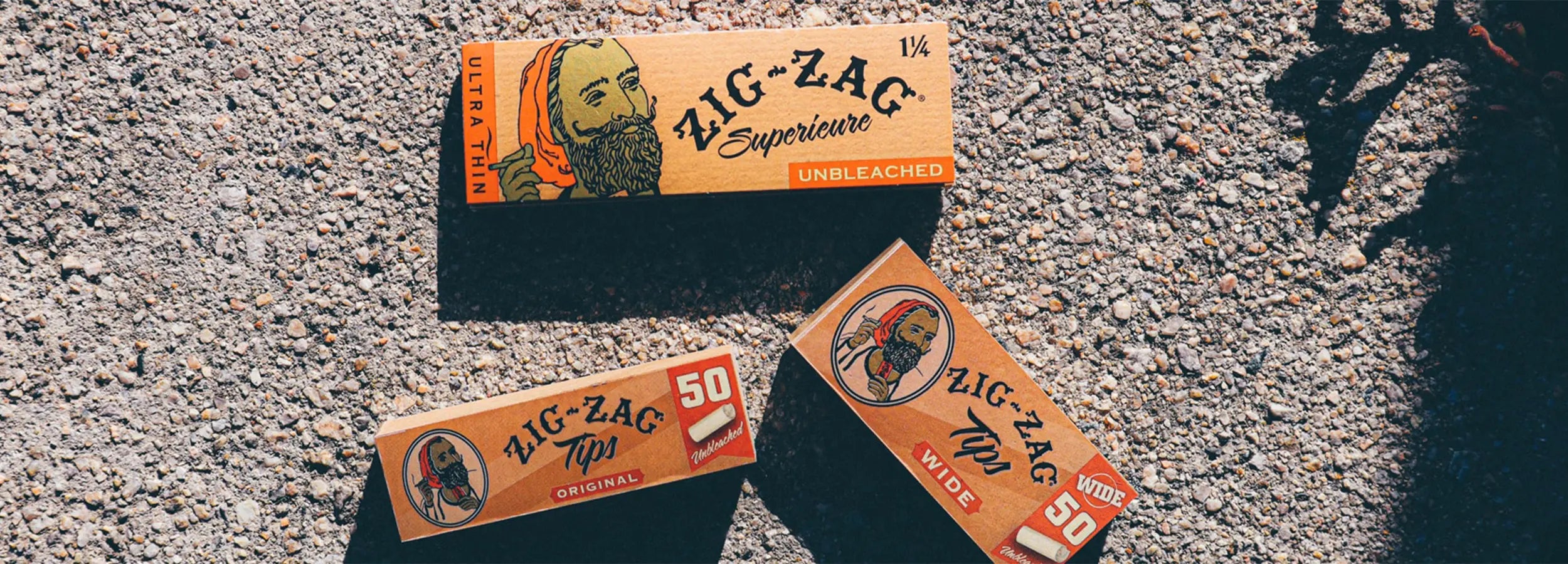
Zig-Zag’s Original Tip Filters are a solid example of what “simple and functional” looks like: unbleached paper, perforated lines for easy shaping, and a design made to roll to your preferred size.
Structure And Airflow, Explained Simply
A tip does three things at once:
-
It gives your fingers something firm to wrap around.
-
It helps the paper keep a consistent curve at the mouth end.
-
It encourages a smoother draw because the opening stays open.
Without that structure, the mouth end can flatten, tighten, or crumple. Then you’re fighting your own roll instead of enjoying it.
Why Control Starts At The Filter, Not The Paper
A lot of people try to fix an uneven roll by pulling tighter on the paper. That can help, but it’s treating the symptom. The root issue is often that the mouth end has nothing to brace against.
If you start with a supported end, you can focus on your tuck and tension instead of constantly correcting shape.
A steady mouth end tends to lead to a more even cylinder or cone. It’s easier to pack evenly, easier to handle, and less likely to deform once it warms up and gets handled more.
Control: The Foundation Of A Consistent Roll

Rolling tips help you control tension, shape, and stability because they create a firm anchor point for the first wrap. With a supported mouth end, you can keep the roll even without over-tightening the paper. That control shows up in the draw, the burn, and how the roll holds up in hand.
Keeping Shape And Stability Throughout The Session
A roll goes through phases: fresh off the table, in hand, set down, picked up again. Each phase adds pressure and heat. Tips help the mouth end stay stable through those shifts.
Common issues tips help prevent:
-
Mouth end collapsing when held too tightly
-
Paper loosening near the end from handling
-
Shape changing as the roll warms up
Why Uneven Rolls Usually Start At The Mouth End
The mouth end is the part you grip, tap, and adjust. If it’s unsupported, those little movements deform the opening. Then the roll starts to feel inconsistent, even if the rest is packed nicely.
A tip acts like a frame, so your grip doesn’t distort the shape.
How Tips Help Maintain Tension And Form
Rolling is basically controlled tension. The tip lets you hold steady pressure without crushing the opening. You can roll snug without turning the mouth end into a pinch point.
If your routine includes a tray setup, it’s even easier to keep your process consistent. A dedicated surface like the classic rolling tray keeps tools in place and helps your prep stay tidy.
Comfort Matters More Than You Realize
Rolling tips make a roll more comfortable because they reduce heat at the mouth end, prevent soggy paper, and help keep the draw steady without pinching. Comfort isn’t a luxury detail. It’s the part that makes a roll feel repeatable, especially when you’re rolling regularly.
People who’ve rolled for years don’t chase novelty every time. They chase a feel they can count on.
And comfort is personal. Some want a wider opening. Some like a tighter draw. Tips let you shape that on purpose instead of ending up wherever the paper lands.
Why Experienced Rollers Prioritize Feel And Draw
A good draw feels natural. You’re not tugging hard, and you’re not struggling to get airflow. Tips help keep the opening consistent, which helps the whole roll feel easier to use.
Small comfort wins that add up:
-
Less heat at the mouth end
-
Less moisture buildup in the paper
-
Fewer awkward “re-roll” moments mid-session
Reducing Heat, Harshness, And Collapse
When the paper collapses at the mouth end, you tend to pull harder. That can make the draw feel harsher and less steady. A supported opening reduces that problem because the pathway stays open.
It’s also simply nicer on the lips. A shaped tip feels clean and stable, not flimsy.
How Comfort Turns A Good Roll Into A Repeatable One
If a roll feels good every time, you stick with the routine that got you there. That’s the underrated part of tips: they support habits.
For people building a full setup, Zig-Zag’s smoking accessories collection is built around that same idea: tools that support the ritual, not clutter it.
Consistency Is The Real Upgrade
Rolling tips improve consistency because they standardize the mouth end, which reduces variability in shape and airflow. Once the starting point is steady, your tuck and pack stay steadier too. Consistency doesn’t come from complicated techniques. It comes from repeatable steps.
When your roll changes every time, it’s hard to learn what actually works for you. Tips remove one big variable.
That also means they’re useful at any skill level. Beginners get a guide rail. Veterans get reliability.
Why Seasoned Rollers Value Repeat Results

Seasoned rollers tend to have a “default build.” It’s the paper size, the style, and the finish that fits their day-to-day.
Tips help lock in that default build because:
-
The opening is shaped the same way each time
-
The first tuck is easier to control
-
The mouth end resists getting crushed during use
Tips As A Way To Remove Uncertainty
If you’ve ever tried to freehand a mouth end with a random scrap of paper, you know the result can be inconsistent. A proper tip is designed for the job, with perforations that make shaping easier.
That repeatable shape is the point. It’s not about doing more. It’s about doing the same small thing every time.
The Difference Between Improvising And Dialing In A Routine
Improvising can be fun, but routines are what make rolling feel effortless. Once your hands know the steps, the roll comes together faster and more reliably.
If you like curated setups, a ready-made bundle can help you lock in a consistent kit. The Zig-Zag smoking kits are a straightforward place to start.
Rolling Tips Vs Skipping Them Altogether
Skipping rolling tips often leads to mouth-end problems like collapsing, uneven draw, and loose paper because there’s no structure holding the opening in place. Tips aren’t mandatory, but they remove friction from the process. If you want steadier results, they’re one of the easiest upgrades.
People skip tips for a few reasons: habit, speed, or thinking they’re only for a certain style of roll. Most of the time, it’s just because tips weren’t part of the first routine they learned.
Here’s how the common alternatives compare.
Comparing Rolled Papers, Cones, And Unsupported Ends
Common approaches and what they tend to do:
-
No tip: fastest setup, most prone to collapse or tightening at the mouth end
-
Paper rolled into a DIY insert: better than nothing, but inconsistent
-
Pre-rolled cones: stable form, but the mouth end feel depends on how it’s finished
-
Proper rolling tips: consistent structure with a customizable opening
If you’re into cones, Zig-Zag’s pre-rolled cones collection gives you a ready-to-fill option that keeps shape without needing the same tuck technique.
When Pre Roll Cones Already Solve The Problem And When They Don’t
Pre-roll cones solve the “build” part by giving you a consistent form. That’s a win for speed and portability.
Where tips still matter is the feel. Some people still prefer a shaped mouth end, especially if they want a specific draw or a firmer finish. Cones handle structure. Tips handle that personal touch.
If you want a natural-leaning option, the organic hemp cones collection is worth a look.
How Tips Fit Into A Complete Setup

Rolling tips fit into a complete setup by acting as the anchor piece that connects your paper choice, your tools, and your personal rolling style. They don’t add complexity. They add consistency. When your tip, paper, and accessories work together, rolling feels smoother from prep to finish.
A “complete setup” doesn’t have to be big. It just has to be intentional.
If you’re building yours, it helps to think in categories: papers or cones, tips, prep tools, and a home base surface.
Rolling Tips As Part Of A Broader Rolling Accessories Kit
A simple kit that supports repeatability usually includes:
-
Rolling tips
-
Your preferred paper style
-
A tray or tidy surface
-
A pack tool or small accessory for shaping and packing
Pairing Tips With Rolling Papers For Hands-On Rollers
Hands-on rollers tend to have strong opinions about paper texture, thickness, and size. Tips fit right into that because they don’t replace technique. They support it.
If you like a streamlined shopping path, papers and cones make it easier to compare formats without bouncing around.
Why Intentional Setups Feel Easier, Not More Complicated
When your tools live in the same place, rolling becomes a routine instead of a scavenger hunt. You spend less time searching and more time enjoying the ritual.
Even something as small as a dedicated tray can change the feel of your process. If you prefer compact gear, the small vintage lanterns rolling tray is built for portable setups.
And if your style leans more lifestyle than tabletop, Zig-Zag’s apparel brings the heritage into what you wear, not only what you roll.
The Experienced Roller’s Mindset
Experienced rollers treat tips as part of craftsmanship because they prioritize prep, routine, and repeatability over rushing. The mindset is simple: set yourself up well, and the roll takes care of itself. Tips are one of those habits that signal you’ve found what works and you stick with it.
Veterans don’t rush the beginning because they know the beginning decides the end.
That mindset shows up in little choices: using the same paper size, shaping the same mouth end, keeping the same tools in the same spot.
Why Veterans Don’t Rush Prep
Prep is where consistency is built. If your paper is aligned, your tip is shaped, and your tension is steady, you’re less likely to need fixes later.
It’s the same logic behind building a reliable kit: your routine should support you, not fight you.
Small Habits That Signal Skill And Confidence
Skill looks like:
-
A roll that holds shape without constant pinching
-
A mouth end that stays open and comfortable
-
A finish that looks tidy because it was built that way
Those habits don’t require fancy gear. They require repeatable steps.
Tips As A Sign Of Refinement, Not Excess
Using tips isn’t about being “extra.” It’s about respecting your own time. If you roll often, you already know how annoying it is when something collapses at the end.
If you’re into heritage-driven releases and classic visuals, the Vintage Collection is a reminder that the brand’s always celebrated the culture around the craft.
Conclusion: Small Choice, Big Difference
Rolling tips make a bigger difference than most people expect because they influence control, comfort, and consistency all at once. They support your technique without replacing it, and they help your roll hold up the way you meant it to. If you want a steadier routine, tips are a smart place to start.
The best part is how quiet the upgrade feels. You’re not reinventing your process. You’re just giving it a stronger foundation.
So if your goal is a roll that feels the same every time, start at the mouth end. Build the anchor, set the tension, and let the rest fall into place.
Frequently Asked Questions
Do rolling tips change the way a roll draws?
Yes, they often do, because the opening stays more consistent from start to finish. A supported mouth end is less likely to pinch shut while you’re holding it. That usually means the draw feels steadier. The exact feel still depends on how you shape the tip.
Are pre-roll cones enough, or should I still use tips?
Pre-roll cones handle structure and shape really well, so many people don’t feel they need anything else. If you like a specific mouth-end feel, shaping a tip can still be worthwhile. Some people also prefer the firmer finish tips can provide. It comes down to comfort and routine.
What’s the easiest way to shape a rolling tip?
Start by folding along perforations or making a few tight bends to create a firm base. Then form a small spiral or “W” style shape that holds an open channel. You want it snug enough to stay in place but not so tight that it restricts airflow. After a few tries, your hands will remember the shape.
Do tips matter if I’m already using high-quality papers?
They still can, because paper quality and mouth-end structure solve different problems. Great papers help with handling and burn behavior, but the mouth end can still collapse without support. Tips act like a frame for the opening. Together, they help your roll feel more repeatable.
Can rolling tips help prevent a roll from falling apart near the end?
They can help because the mouth end stays sturdier as the roll gets handled and warmed up. Without a tip, the end can loosen, flatten, or get soggy. A supported opening resists that wear and tear. You’ll still want steady tension, but tips make it easier to keep.
Share:
Roses, Reimagined: Why Mini Rose Cones Are the Ultimate Valentine’s Upgrade
Clean Lines, Better Control: Choosing the Right Rolling Tips for Your Setup